
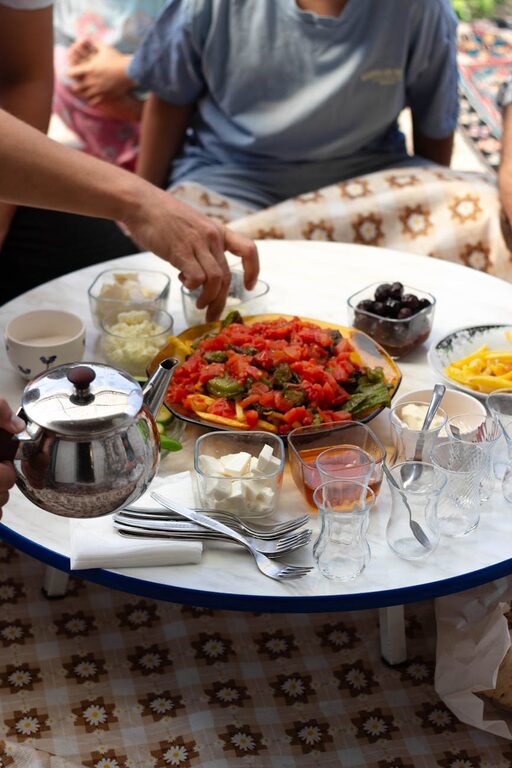
Planning balanced meals doesn’t have to be overwhelming or stressful. With a few simple strategies, you can create nutritious, satisfying meals that support your health and save you time. This guide will walk you through easy, practical steps to help you plan balanced meals confidently and without stress.
Why Plan Balanced Meals?
Balanced meals provide the essential nutrients your body needs, including proteins, carbohydrates, healthy fats, vitamins, and minerals. Eating this way helps maintain energy levels, supports overall health, and can even improve mood. Planning ahead allows you to avoid last-minute unhealthy choices, reduces food waste, and can save money.
Understanding the Basics of a Balanced Meal
Before diving into meal planning, it’s helpful to understand what a balanced meal looks like. Generally, a balanced meal includes:
– Protein: Helps build and repair tissues. Examples: chicken, fish, beans, tofu, eggs.
– Carbohydrates: Your body’s main energy source. Focus on whole grains, fruits, and vegetables.
– Healthy Fats: Important for brain health and energy. Sources include nuts, seeds, avocado, olive oil.
– Fiber: Supports digestion and fullness. Found in fruits, vegetables, whole grains, and legumes.
– Vitamins and Minerals: Vital for functioning, obtained mainly from a variety of fruits and vegetables.
Step 1: Start with a Simple Framework
You don’t need to overthink. A helpful framework to keep in mind for each meal is:
– Half your plate filled with vegetables and/or fruits.
– One quarter with lean protein.
– One quarter with whole grains or starchy vegetables.
– Add a small amount of healthy fat.
This visual method keeps portions balanced and helps ensure you get a wide range of nutrients.
Step 2: Plan Your Meals for the Week
Setting aside 15-30 minutes once a week to plan meals can save time and reduce daily stress.
How to Start:
- **Check your calendar:** Note any busy days when quick meals may be needed.
- **Inventories your fridge and pantry:** Use what you have to avoid waste.
- **Choose simple recipes:** Pick meals with ingredients you enjoy and that fit your skill level.
- **Mix and match:** Plan meals with overlapping ingredients to save money and reduce shopping trips. For example, if you use spinach in a salad, use it again in a smoothie or omelet.
- **Include leftovers:** Plan one or two meals with leftovers to make meal prep easier.
Step 3: Make a Balanced Grocery List
Based on your plan, write a list including:
– Fresh produce (aim for a variety of colors)
– Protein sources (meat, fish, plant-based options)
– Whole grains (brown rice, quinoa, whole-wheat bread)
– Healthy fats (nuts, seeds, oils, avocados)
– Herbs, spices, and other flavorings to keep meals interesting
Stick to the list to avoid impulse buys and keep your meals aligned with your plan.
Step 4: Prep Ingredients Ahead
Meal prepping can reduce daily stress and make cooking faster.
– Wash and cut vegetables for the week.
– Cook grains or proteins in bulk, then store in the fridge or freezer.
– Prepare sauces or dressings in advance to add flavor quickly.
– Use containers to portion meals or ingredients for grab-and-go convenience.
Prepping doesn’t have to mean making full meals ahead of time, even simple steps save time.
Step 5: Keep It Flexible and Fun
Balance doesn’t mean perfection. Allow yourself room to swap meals or treat yourself occasionally.
– Rotate your protein and veggies to keep meals interesting.
– Experiment with spices and cooking methods for variety.
– Don’t be afraid to try new recipes or ingredients.
Flexibility helps meals feel less like a chore and more like a creative experience.
Tips to Reduce Mealtime Stress
– Set realistic goals: Aim to plan balanced meals 4-5 days a week instead of every day.
– Limit distractions: Focus on cooking to enjoy the process and avoid feeling rushed.
– Cook in batches: Homemade meals can be portioned for multiple days.
– Use shortcuts: Frozen veggies, pre-washed salad greens, or rotisserie chicken can save time without sacrificing nutrition.
– Enlist help: Involve family members in planning, grocery shopping, or cooking.
Sample Balanced Meal Ideas
– Breakfast: Greek yogurt with mixed berries, a tablespoon of nuts, and a drizzle of honey.
– Lunch: Quinoa salad with chickpeas, cucumber, cherry tomatoes, feta cheese, and olive oil dressing.
– Dinner: Grilled salmon, steamed broccoli, and roasted sweet potatoes.
– Snack: Apple slices with almond butter.
Final Thoughts
Planning balanced meals doesn’t have to be complicated or stressful. By keeping your approach simple, organizing ahead, and staying flexible, you’ll enjoy nutritious meals that fuel your body and fit seamlessly into your lifestyle. Start small, build habits gradually, and remember that balanced eating is about progress, not perfection.
Happy meal planning!