
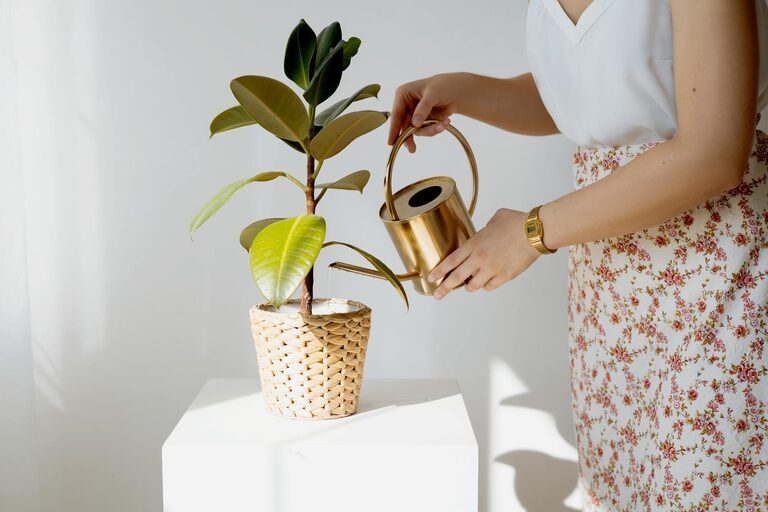
Bringing houseplants into your home can brighten up any room and improve indoor air quality. However, keeping them healthy requires some attention and care. Whether you’re a seasoned plant parent or just starting your green journey, understanding the basics will help your plants thrive and grow beautifully. Here are some essential tips to keep your houseplants healthy and vibrant.
Understanding Your Houseplant’s Needs
Different plants have different care requirements. The first step toward healthy plants is learning about the specific species you own.
Light Requirements
Most houseplants need adequate light to perform photosynthesis. Some prefer bright, indirect sunlight, while others thrive in low-light environments.
– Bright light lovers: Succulents, fiddle leaf figs, and spider plants.
– Shade tolerant: Snake plants, pothos, and philodendrons.
Place your plants near windows or use grow lights if natural light is limited.
Watering Needs
Overwatering is one of the most common mistakes in plant care. The watering frequency depends on the type of plant, pot size, and environment.
– Check the soil moisture before watering.
– Water thoroughly until water drains out of the pot’s bottom.
– Allow the soil to dry slightly between watering for most plants.
Temperature and Humidity
Houseplants generally prefer temperatures between 65-75°F (18-24°C). Avoid placing them near drafty windows or heaters.
Many tropical plants enjoy higher humidity. Using a humidifier, pebble trays, or grouping plants can help raise humidity levels.
Potting and Soil Tips
Choosing the right pot and soil plays a crucial role in plant health.
Pot Selection
– Ensure pots have drainage holes to prevent waterlogging.
– Choose a size appropriate for your plant; too large pots can cause root rot.
– Consider self-watering pots for busy lifestyles.
Soil Choices
Use potting mixes designed for your specific plant type. For example, cacti need sandy, well-draining soil, while ferns prefer soil that retains moisture.
Feeding Your Plants
Plants require nutrients to grow, and indoor soil may not provide enough.
Fertilizing Schedule
– Use a balanced, water-soluble fertilizer during the growing season (spring and summer).
– Reduce or stop feeding during fall and winter when growth slows.
– Always follow package instructions to avoid over-fertilizing.
Maintenance for Healthy Growth
Keeping your plants clean and well-groomed helps prevent pests and diseases.
Pruning
– Remove dead or yellowing leaves regularly.
– Trim leggy growth to encourage bushier plants.
– Pinch flowering tips to promote fullness.
Pest Control
Common pests include spider mites, aphids, and scale insects.
– Inspect your plants frequently.
– Use insecticidal soap or natural remedies like neem oil if you spot pests.
– Isolate infected plants to prevent spread.
Repotting Guidelines
Repotting supports healthy root growth and refreshes the soil.
– Check if roots are growing through drainage holes or circling the pot.
– Repot during spring when plants begin active growth.
– Choose a pot slightly larger than the current one.
– Gently loosen root balls before placing the plant in fresh soil.
Creating the Right Environment
Beyond care routines, fostering a suitable environment helps plants flourish.
Light Rotation
Rotate plants every few weeks to ensure even light exposure and balanced growth.
Avoid Toxic Exposure
Keep plants away from areas where they may contact harmful chemicals or extreme temperature changes.
Troubleshooting Common Issues
Yellow Leaves
Could signal overwatering, underwatering, or poor light conditions.
Wilting
May indicate a lack of water or root problems.
Brown Leaf Tips
Often caused by dry air or inconsistent watering.
If unsure, consult plant care forums or local nurseries for advice tailored to your plant species.
—
By following these tips and observing your plants’ responses, you’ll develop an intuitive routine that keeps your houseplants healthy and happy. Enjoy the beauty and benefits they bring to your home for years to come!